Coaching assessments are about helping leaders (in whatever area they may be) become more effective, more confident, and more intentional.
In practice, most client engagements start the same way: a handful of conversations, a few observations, and a general sense of where the client wants to improve.
That can work. But it can also lead to coaching that feels reactive or overly dependent on what the client happens to bring into each session.
A coaching assessment solves that problem.
It enhances conversation by giving both you and your client a shared starting point. It helps you quickly identify patterns, define priorities, and make progress measurable. And seek alignment with the client.
Once you define your baseline dimensions, you can reuse the same framework across clients.
This makes your coaching generic backed by process, insight, and professional.
A repeatable baseline framework helps you:
When you have a clear coaching framework, it becomes much easier to create content, speak at events, write articles, and explain your value to potential clients.
Apart from the popular wheel of life, below are six top coaching assessments or dimensions that give you a well-rounded view of a leader’s strengths, gaps, and growth opportunities. These can also be combined into a single wheel of life, with each spoke having multiple questions.
Every leader has a default style.
Some are decisive and direct. Some are collaborative and consensus-driven. Others are strategic thinkers who prefer to operate at a high level.
None of these are inherently good or bad. The problem is that most leaders overuse their strengths. They rely on what has worked for them in the past, even when the situation demands something different.
Baselining leadership style early helps uncover:
This dimension gives you the foundation for the rest of the coaching work, because it explains why they operate the way they do.
Communication is one of the most common coaching topics, but it’s also one of the most misunderstood.
Many leaders believe they have a communication problem when they actually have an influence problem. Or they believe they have an influence problem when the real issue is trust, clarity, or emotional tone.
A baseline in communication and influence helps clarify:
This dimension matters early because communication issues tend to show up everywhere: performance, team engagement, conflict, and stakeholder relationships.
If you baseline it early, you can move from vague coaching topics (“I need to communicate better”) to focused development areas (“I need to address conflict sooner and set clearer expectations”).
Self-awareness is one of the strongest predictors of leadership growth.
Leaders who understand their own triggers, habits, and emotional patterns can change behavior much faster than leaders who are unaware of the impact they have on others.
Baselining emotional intelligence helps you understand:
This dimension is important because many leadership issues aren’t skill issues. They’re emotional pattern issues.
A leader might be competent and intelligent, but still struggle because they shut down, become defensive, avoid discomfort, or react too quickly.
That’s where coaching often creates the biggest breakthroughs.
Leadership ultimately comes down to decisions.
Not just making decisions, but making the right decisions at the right time, with the right level of involvement, and taking accountability for outcomes.
Many leaders struggle because they:
Baselining decision-making and accountability helps reveal:
This dimension is critical early because it often explains why teams lose momentum or why strategic goals stall.
When a leader improves decision-making habits, performance improves quickly.
Delegation is one of the clearest dividing lines between managers and leaders.
Leaders who struggle with delegation often say things like:
Sometimes those statements are true. Often, they’re symptoms of deeper issues like control, perfectionism, unclear expectations, or a lack of coaching skills.
Baselining delegation and empowerment helps you identify:
This dimension matters because poor delegation is a silent growth killer. It leads to overload, burnout, bottlenecks, and frustrated teams.
For coaching, it’s also one of the easiest areas to turn into measurable progress.
One of the most valuable baselines is understanding how a leader is experienced by others.
Many leaders believe they are supportive, clear, and collaborative… while their teams experience them as unpredictable, unavailable, or overly critical.
This isn’t about blame. It’s about visibility.
Baselining team perception helps uncover:
This is also the dimension where 360-degree feedback becomes incredibly powerful. Even if you don’t run a full 360 process immediately, this area should be part of the baseline conversation.
Because leadership doesn’t happen in isolation. It happens through relationships.
When you baseline these areas early, you get a clear picture of how the leader operates, how they are perceived, and where growth will have the greatest impact.
These dimensions cover:
This is what creates structure.
Instead of coaching becoming a collection of session topics, it becomes a focused development journey.
One of the simplest ways to implement this is to build a single leadership baseline assessment that includes these six coaching assessments or dimensions. That’s because building six different assessments, administering them, and deriving insights across them is cumbersome.
The goal isn’t to overwhelm the client. The goal is to create just enough structure to produce meaningful insight.
Each dimension can be measured with a small number of focused questions.
A well-designed baseline assessment should produce:
This gives your engagement a strong foundation from day one.
Once the baseline is complete, the next step is not to “review the whole report” but use it to drive alignment and commitment.
For example:
From there, the coaching roadmap becomes much easier to build. And you can use goal setting to move forward.
The client feels clarity. The coach has direction. And the engagement feels structured rather than open-ended.
Coaching becomes dramatically more effective when it starts with a clear baseline.
These six dimensions provide a practical, well-rounded foundation:
You can treat these as separate assessments, but in most cases, they work best as a single multi-dimension baseline tool that is easy to repeat across clients.
If you’re building a coaching practice and want your engagements to feel more structured, more measurable, and more professional, this is one of the simplest upgrades you can make.
Evalinator can help you create this structured assessment experience within a few minutes.
Sign up now for a risk-free 2 weeks trial.
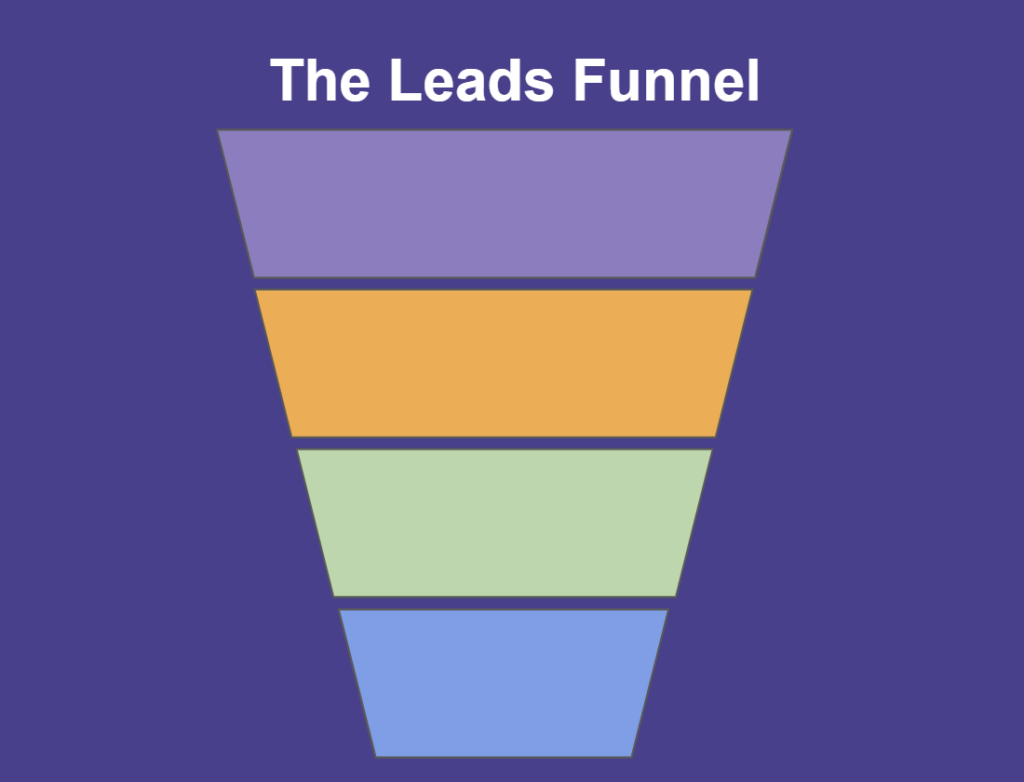
Feeling frustrated with lead generation?
Take this free, 5-minute quiz and get more prospects into your leads funnel.
Instant Results. Actionable recommendations. Email required.
Find Your Score >>