Great coaching client onboarding starts before the first coaching session.
The onboarding process is where you begin to understand your client, identify what they want to achieve, and create a foundation for a successful coaching engagement.
Many coaches rely on conversations, notes, and intuition during onboarding. Those are important, but a structured process helps you create a more consistent experience for every client.
A simple coaching client onboarding process follows three steps:
This process helps both you and your client understand where they are today, where they want to go, and the progress they make along the way.
Before you can help a client move forward, you need to understand where they are today.
A good onboarding assessment helps you learn more about your client’s:
This creates a starting point for the coaching relationship.
Many coaches use assessments as part of their coaching client onboarding process. The right assessment depends on your coaching style and the type of clients you work with.
Examples include:
You can also create your own custom coaching assessment based on your methodology.
The important thing is not the specific assessment you use. The important thing is creating a clear baseline so you and your client have a shared understanding of where they are starting.
Click here to see all the above coaching assessment templates. They are all available for you to create.
Once you understand your client’s current situation, the next step is turning those insights into goals.
A good coaching process helps clients move from:
“I know I want something to change”
to:
“Here is what I want to achieve and how I will get there.”
Goal setting helps you and your client define:
A clear action plan also keeps coaching conversations focused.
Instead of discussing the same challenges repeatedly, each session can connect back to the goals and actions your client has chosen.
Related: Goal setting for coaching clients
Coaching creates change over time.
But without measuring progress, it can be difficult for clients to see how much they have improved.
A reassessment allows you to compare the client’s current situation with their original baseline.
This helps you identify:
Before-and-after assessments are also powerful because they make progress visible.
Clients often do not notice gradual improvements in their mindset, habits, confidence, or priorities until they see the comparison.
This creates a stronger coaching experience and helps demonstrate the value of your work.
Your coaching process should feel professional from the first interaction.
Instead of sending multiple documents, spreadsheets, and forms, you can give clients a simple online experience where they complete assessments, review results, and continue their coaching journey.
Online assessments can also be embedded directly into your own website, allowing potential and existing clients to interact with your coaching process while staying connected to your brand.
Related: Embed coaching assessments on your website
A structured onboarding process helps coaches:
Every coach has their own approach and methodology.
Some coaches begin with a Wheel of Life assessment. Others use personality or values assessments. Some create completely custom assessments for their niche.
The tools may be different, but the process remains the same:
That simple framework helps turn coaching conversations into a measurable transformation journey.
Evalinator helps coaches create customized assessments, set goals, track progress, and show client transformation over time.
Start your free 2-week trial today.
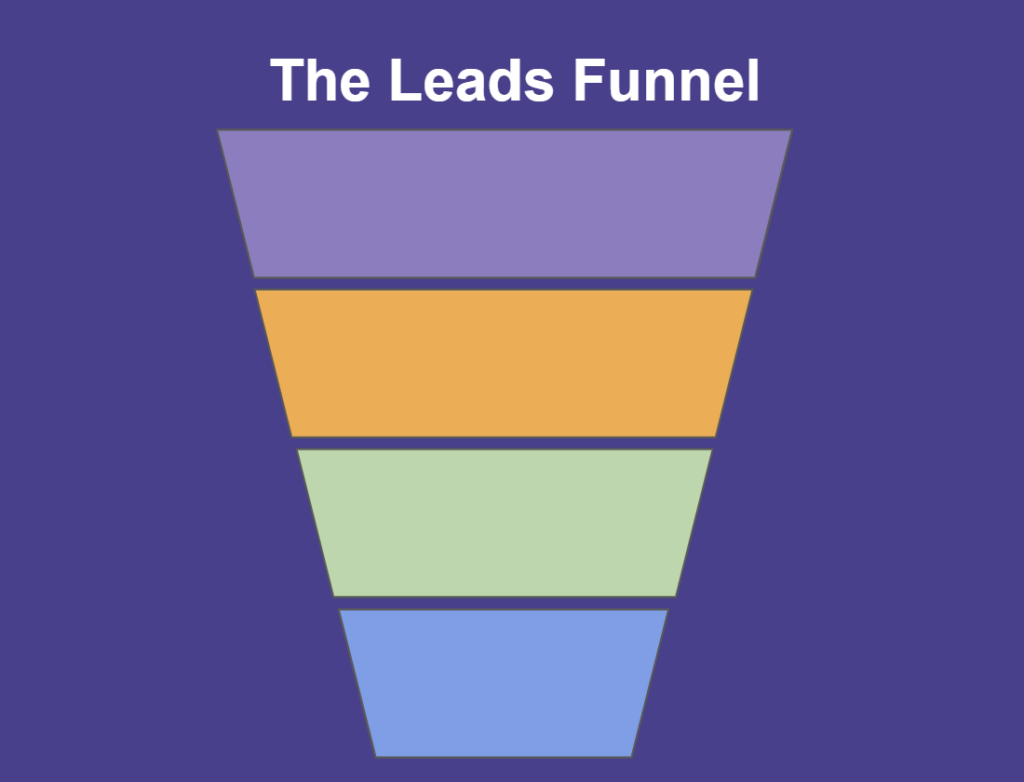
Feeling frustrated with lead generation?
Take this free, 5-minute quiz and get more prospects into your leads funnel.
Instant Results. Actionable recommendations. Email required.
Find Your Score >>