Most experts are trying to solve two problems at once:
And usually, when they finally start getting traction, they run into a new frustration.
They’re spending time on calls that go nowhere.
The person isn’t ready.
The budget isn’t there.
The problem isn’t a fit.
They just want to “pick your brain.”
This is where assessments become much more than a lead magnet.
A well-designed assessment doesn’t just generate leads. It becomes a sales qualification tool.
It filters prospects before they ever reach your calendar, so you spend more time with serious buyers and less time chasing conversations that never convert.
Most websites have the same setup:
A landing page
A “Book a call” button
A contact form
And then the expert wonders why the calls feel random.
Forms don’t qualify because they don’t force clarity.
When you ask “Tell me about your situation,” most people don’t know how to answer. So they give you vague statements like:
“I need help with growth.”
“I want better marketing.”
“I’m exploring coaching.”
That only gives you generic and non-actionable information. However, you need more details to plan your next steps.
An assessment solves this problem because it asks structured questions that reveal where someone really is.
Instead of guessing, you can see patterns immediately.
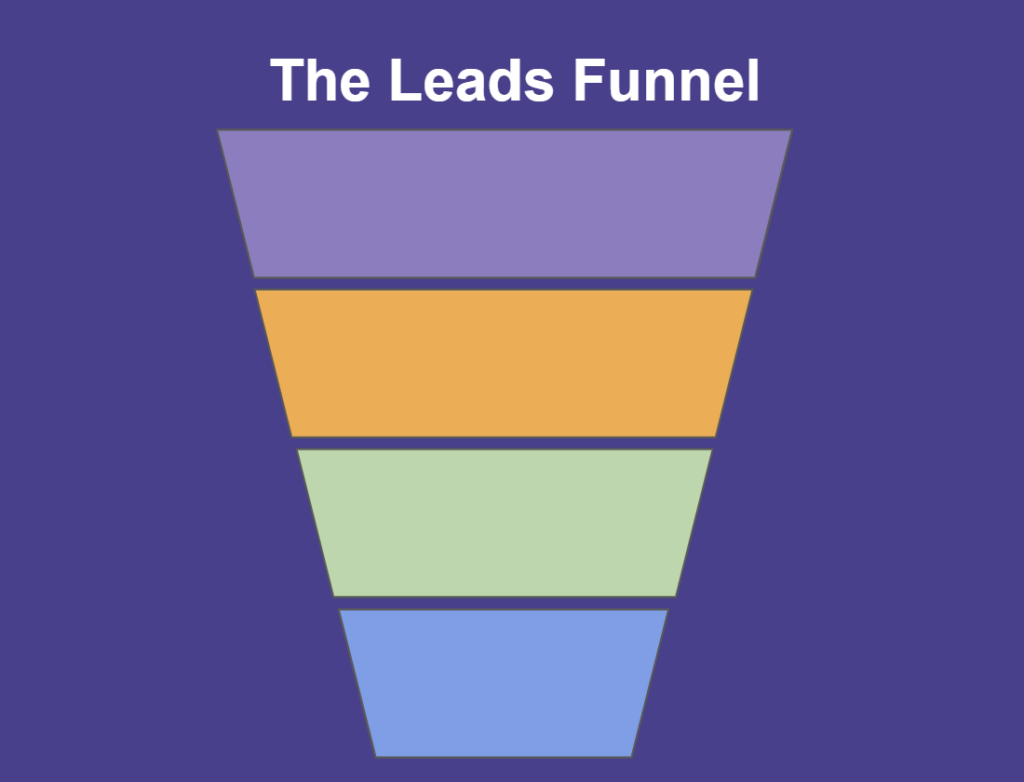
A good funnel doesn’t just collect email addresses. It does three things:
That last part is important.
Not every prospect should get the same offer, the same call, or the same follow-up.
The best funnels guide different people in different directions.
And an assessment is one of the easiest ways to do that.
If you want better leads, your assessment needs to feel like a real diagnostic tool, not a “fun quiz.”
This doesn’t mean it has to be complex.
It means the promise needs to be specific.
Try:
“How ready is your business to scale?”
“What’s holding back your sales process?”
“Where is your marketing leaking revenue?”
“How strong is your leadership foundation?”
The best diagnostic promise has two qualities:
People don’t buy because they are curious.
They buy because they believe there is a cost to staying where they are.
This is where most assessments are good lead generation tools but not good qualification tools.
They focus on interesting questions instead of useful questions – priority is lead generation.
PS: If this is you, then keep that assessment, and create a new one that is more geared towards sales qualification.
Qualification questions should uncover things like:
You don’t need to ask “What is your budget?”
You can ask smarter questions that reveal the same thing.
For example:
“How many team members are involved in this initiative?”
“What happens if this problem is not solved in the next 6 months?”
“What have you already tried?”
“How confident are you that your current approach will work?”
These questions are powerful because they do something subtle.
They get the prospect to admit the cost of inaction.
And that makes the next step easier.
To qualify leads, you need to score the assessment.
This doesn’t have to be complicated.
You can create 3 simple scoring bands:
Your goal is not to create a perfect score.
Your goal is to create a decision-making shortcut.
Think of it as triage.
If someone scores high, they’re likely dealing with a serious issue and are more motivated to act.
If they score low, they might still be a future client, but they’re not ready today.
That distinction alone will save you hours.
This is where the funnel becomes a sales engine.
Instead of sending everyone the same generic report, create results that match their situation.
For example:
High Priority result:
“You’re in the danger zone. Here’s what it’s costing you. Here’s what to do next.”
Warm result:
“You have some strong foundations, but a few gaps are limiting growth.”
Low result:
“You’re in a good place, but here are the next upgrades to focus on.”
The point is not to scare people.
The point is to make the result feel accurate.
When someone reads their result and thinks “That’s exactly me,” you’ve built trust.
And trust is what makes the sale.
This is the biggest missed opportunity in most funnels.
Experts send everyone to the same CTA:
“Book a call.”
But that’s not how real buying works.
Different prospects need different next steps.
Here’s a simple routing strategy:
This protects your calendar and improves conversion.
It also creates a better experience for the prospect.
Cold leads don’t feel pressured. Hot leads feel guided.
Your assessment result shouldn’t be the end.
It should be the start of the sales conversation.
The best follow-up emails do not sound like marketing emails.
They sound like a continuation of the diagnosis.
A simple 3-email follow-up sequence could look like:
If you want to go deeper, personalize the emails based on their score or category.
When someone feels like you’re speaking directly to them, they stop treating you like a commodity.
If your assessment is qualifying leads, you should know:
Their score
Their category
Their biggest gap
Their readiness level
With this data, your sales process becomes faster and more confident.
Instead of starting a call with “So tell me what’s going on,” you can start with:
“I saw your results. Looks like your biggest bottleneck is X. Should we talk about that?”
That instantly changes the tone of the conversation.
You become the expert. The prospect feels understood. The call becomes productive.
A sales qualification funnel is about booking the right calls.
With the strategy in this post, you stop treating every lead the same.
You spend time on high-value and high-intent conversations.
And you start building a pipeline of people who already believe they have a gap and want a solution.
That is what makes assessments one of the most practical tools an expert can use.
They make your marketing and sales process more intelligent.
Sign up for a risk free 14 day trial at www.evalinator.com/pricing.
Feeling frustrated with lead generation?
Take this free, 5-minute quiz and get more prospects into your leads funnel.
Instant Results. Actionable recommendations. Email required.
Find Your Score >>