Building an expert authority brand is achievable but it needs to be done consciously and systematically.
However, there is a pattern among coaches, consultants, and independent experts. Most are excellent at what they do, often far better than the results they are getting in their business would suggest.
But they often struggle to build a recognizable authority brand in the area they are in. The gap is rarely capability.
Expertise alone does not automatically translate into brand and authority. And authority, in practical terms, is what drives consistent client demand, higher initial perceived trust, and better conversion of opportunities.
It’s useful to look at this through a simple framework. If you are trying to understand whether your expertise is working for you as a growth engine, there are five areas that quietly determine the outcome.
Note: You can assess yourself using our free Expert Authority Brand Diagnostic. It takes about five minutes and provides a Wheel of Life-style profile, maturity heatmap, and detailed scoring across all five dimensions.
No email needed. Take the Assessment.
Let’s walk through the 5 dimensions.
If we step back and look at what actually brings clients in, it almost always starts with visibility and positioning. Many experts rely heavily on referrals, occasional content, or inconsistent outreach, and that creates a cycle where demand feels unpredictable.
A more structured approach begins when your expertise itself starts functioning as a magnet. This does not necessarily mean doing more marketing. It means your positioning, your message, and your authority signals are aligned in a way that makes it easier for the right clients to recognize your value early.
This is often where the foundation of an authority brand for experts is either established or left underdeveloped.
The second layer is how well you actually understand your clients at the time you engage with them for your first discovery or introduction call. Many discovery processes are still highly conversational and unstructured, which means every engagement starts from scratch.
When you introduce structure here, something important changes. You stop relying only on intuition and begin building a repeatable understanding of client needs. This can come through intake questions, diagnostic assessments, or simple frameworks that help you identify patterns before you even begin working with someone.
Without this layer, even strong expertise gets diluted in execution because every engagement feels different.
Once a client is working with you, the question becomes how consistently you guide their journey. This is where many practices lose momentum without realizing it.
Follow-ups become inconsistent, goals are discussed but not tracked in a structured way, and progress often lives in scattered conversations rather than a visible system.
When engagement is structured properly, clients always know where they stand, what they are working toward, and how progress is being measured. This is where your engagement begins to feel more like systems rather than isolated interactions.
One of the most overlooked aspects of expert authority is how value is demonstrated over time. Most professionals deliver strong results but fail to make those results visible in a structured way.
This is where tools like baseline measurements, progress tracking, before-and-after comparisons, and repeat diagnostics become powerful. They shift the conversation from effort to outcome.
When clients can clearly see the value being created, retention and expansion become significantly easier, not because of persuasion, but because of clarity.
The final layer is what most people think authority is, but it only works when the earlier layers are in place. This is YOUR intellectual property: frameworks, diagnostic tools, structured reports, and repeatable methodologies.
Most experts build these intentionally but they are often hidden in scattered spreadsheets and presentations . They accumulate this over time without formalizing it.
This layer is what ultimately differentiates one expert from another in a crowded market.
A strong authority brand is not just built through content. It is built through systems that package expertise in a way that is perceived to be reusable and transferable.
When you look at these five areas together, a clearer picture starts to emerge. Most experts are strong in one or two dimensions, but rarely across all five.
That imbalance is usually what shows up as inconsistent lead flow, uneven client experience, or difficulty scaling expertise into a predictable system.
To make this easier to evaluate, we created a simple diagnostic that helps you assess where you stand across these dimensions of expert authority building.
No email needed. Coaches can take the assessment here and consultants can do so here.
It will give you a clear breakdown of your strengths and gaps across each dimension, along with a visual maturity profile of your current approach.
Building an authority brand is more than doing more marketing or publishing more content. It is about structuring how your expertise shows up across acquisition, understanding, engagement, value, and intellectual property.
When these five areas start working together, expertise stops being something you rely on and starts becoming something that works for you.
Evalinator helps you convert your expertise into a repeatable diagnostic assessment and a structured client engagement.
Sign up for a no-risk 2 week trial here.
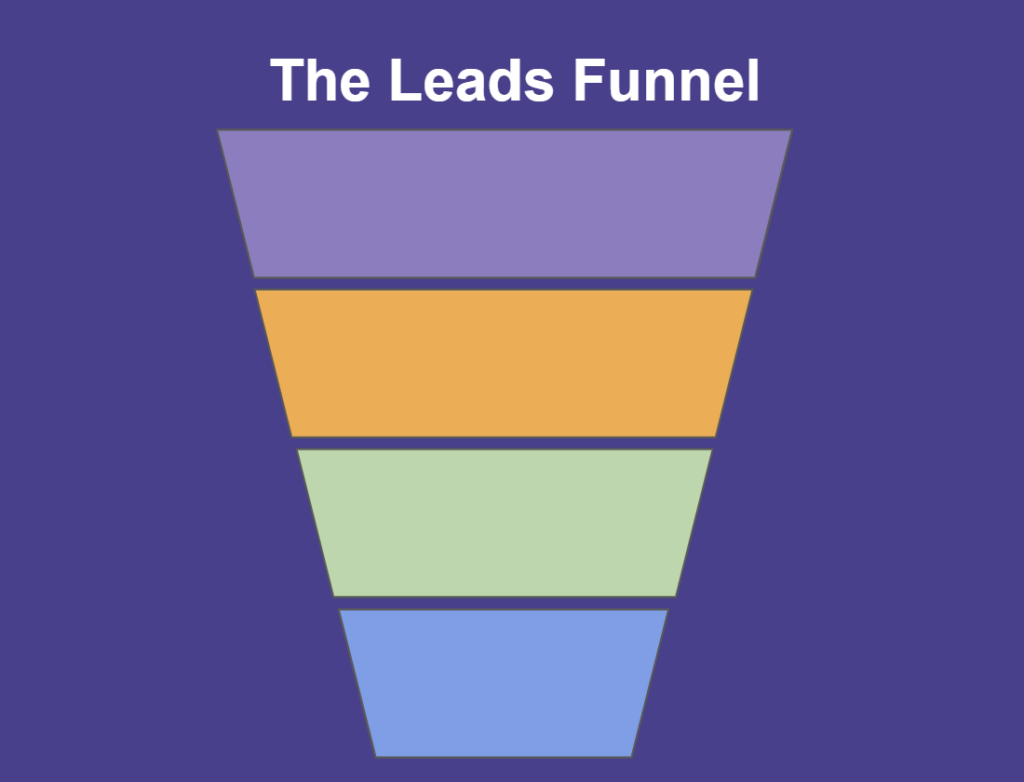
Feeling frustrated with lead generation?
Take this free, 5-minute quiz and get more prospects into your leads funnel.
Instant Results. Actionable recommendations. Email required.
Find Your Score >>